Wednesday, February 28, 2018

PODCAST


Educational purposes of Podcast

  • Students can create their own podcast to share their learning experience with others
  • Teachers can record audio to provide students with aditional material for revision
  • It helps auditory learners to improve their skills
  • Creating podcasts allows students to develop several skills such as listening, speaking effectively, writing, researching, solving problems, managing time, and improving their vocabulary

How to create a podcast

  • Download the recording app in the cellphone
  • Name the podcast for the people to be interviewed
  • Create a script as a guide
  • Start recording
  • Check the podcast 
  • Share it with the teacher and classmates

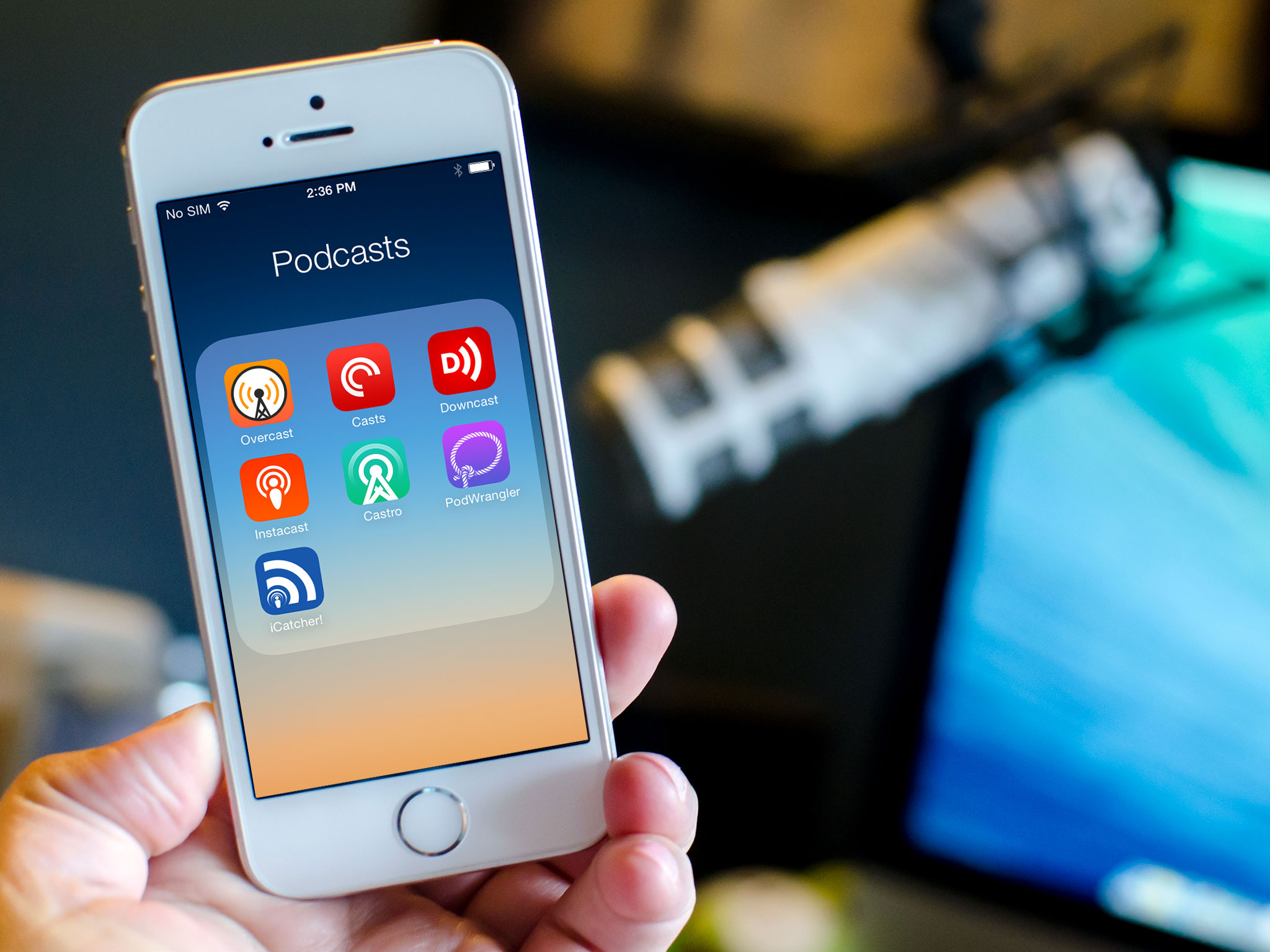
Digital tools for creating and using podcast


  • Cellphone
  • Ipad
  • Headphone
  • Voice memos
  • Spotify 
  • iRig Recorder 
  • Podcast 

https://www.educatorstechnology.com/2012/12/teachers-guide-on-use-of-podcasting-in.html


Saturday, February 24, 2018

MALL

Mobile Assisted Language Learning


In our Technology Class we also read about Mobile Assisted Language Learning, presented by the authors Sylvie Thouësny and Linda Bradley in their book Second Language Teaching and  Learning with Techonology.  This system allows adult students to learn English out-of-class in their own time by using their mobile devices.


The class was divided into several teams to develop different activities with this strategy.  My group created an Interview podcast, using a cellphone to record it. The interview was about what podcast is, how students can used it, and the advantages of using podcast.


Sunday, February 18, 2018

BLENDED vs FLIPPED LEARNING


  • Blended learning 

    • It combines online digital tools with the traditional teaching method
    • Teachers and students work together in the classroom.  
    • Use more time face to face interaction
    • It is guided by the teacher, and the students are not independent
    • Teacher’s guidance is needed. 
    • Students learn partly online, partly in class. 
    • Teacher-centered environment 
    • Face to face sessions are necessary in order to reinforce the content studied through tech tools.  

  • Flipped learning 

    • The teacher does not go over the content in class. Students are supposed to do it at home or in class, but by themselves. 
    • Students are more independent learners
    • The teacher takes advantage of the extra time to do more engaging activities related to the content that the students learned.  

    • The student pauses and rewinds the teacher as many times as he/she wants, working at home at his/her own pace. Students bring prior knowledge to the class.
    • Students have more time to practice at home, take notes, and write questions and doubts to solve in class.  
    • The 80% of the task is done by the student and 20% by the teacher.  
    • It could be in the classroom and out of the classroom